
Our work: What we do
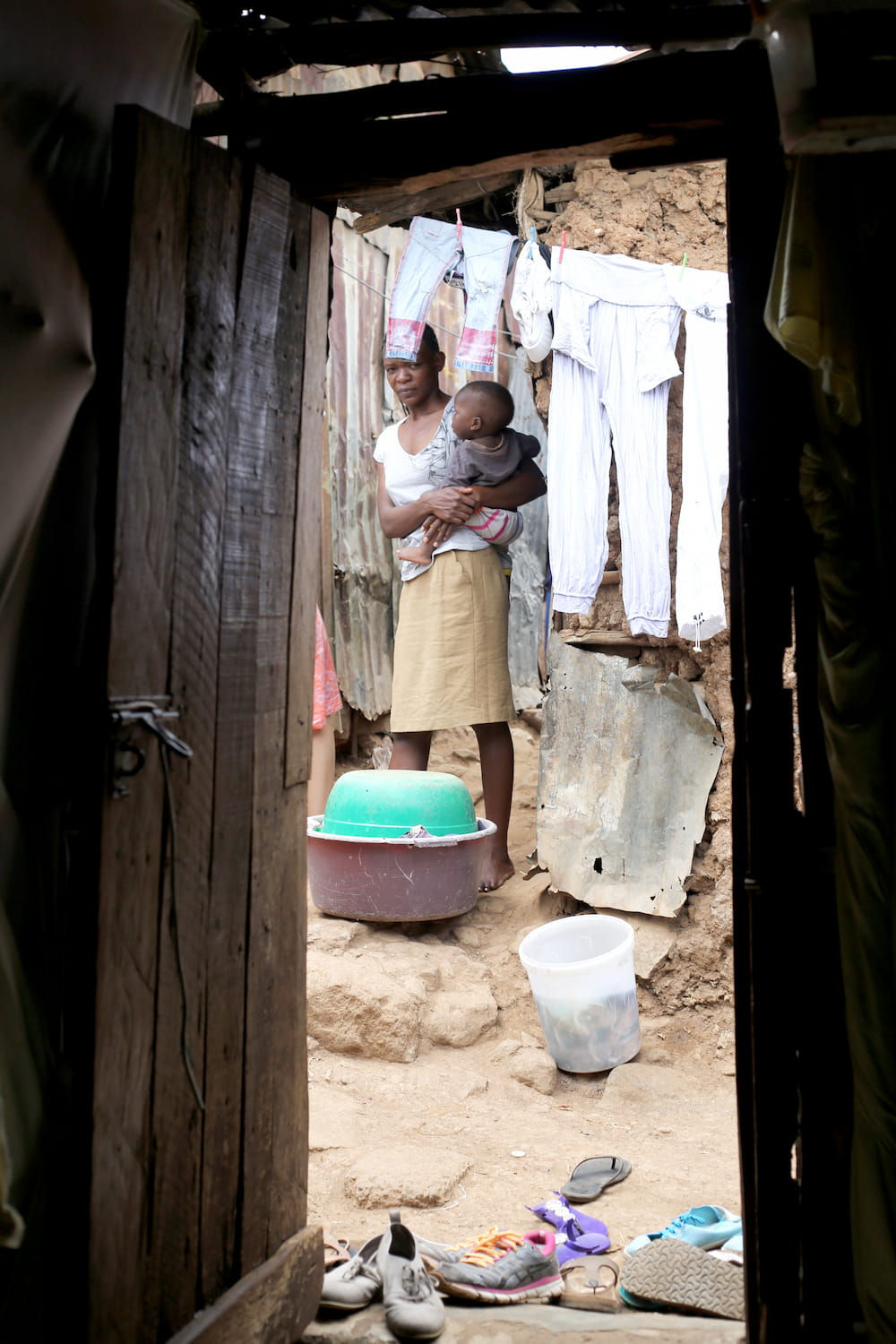
Tushinde focuses on children overlooked due to complex issues, not just poverty. We support families with challenges too great for community resolution alone, aiming to keep families together and independent from external support. Through qualified social workers and a developed care model, Tushinde addresses crises to prevent trauma or illness, offering holistic care to stabilise and strengthen families to self sufficiency in all aspects.
Family Support Programme.
We help families strengthen and stay together, to keep children out of harmful institutions and to build strong family units that are independent of outside support.
We do this using qualified social workers and a model of care that has grown and developed. Families that join the programme are in crisis, without external help the children are at a high risk of trauma, serious injury or illness. Through holistic, tailored care, the family is stabilised and strengthened, in order that they can graduate to being independent and self-sufficient financially, emotionally and physically.
We use the outcome star assessment tool to help families identify the areas of their lives where they are strong and where they need to find solutions.




Schools programme.
We believe that schools should be a safe space for children to learn, free from the fear of violence. While the 2001 Education Act banned corporal punishment in schools, insufficient investment in training teachers in alternative methods of behaviour management means the practice remains widespread. Our family support programme can only be truly successful if the children we support are educated in a safe environment.
We have been working to make schools safe places since 2010, but it was not until 2022 when we established a dedicated schools programme that we have seen real progress.
We use the Good Schools Toolkit, which was designed in Uganda and has proven to be effective. In return for providing a safe environment for children the schools receive an annual grant from us to invest in their infrastructure. Now, all of the schools we work closely with have child rights clubs, the teachers are aware of alternative ways of managing behaviour and parents expect their children to safe from violence.
We continue to work with the schools to embed these practices into their day to day culture and ensure that school child rights clubs become the norm and that teachers are able to support each other in positive behaviour management.
Day Care Programme.
Tushinde aims to reach the ‘hidden child’ — those that do not come to light unless there is a crisis and often this can be too late.
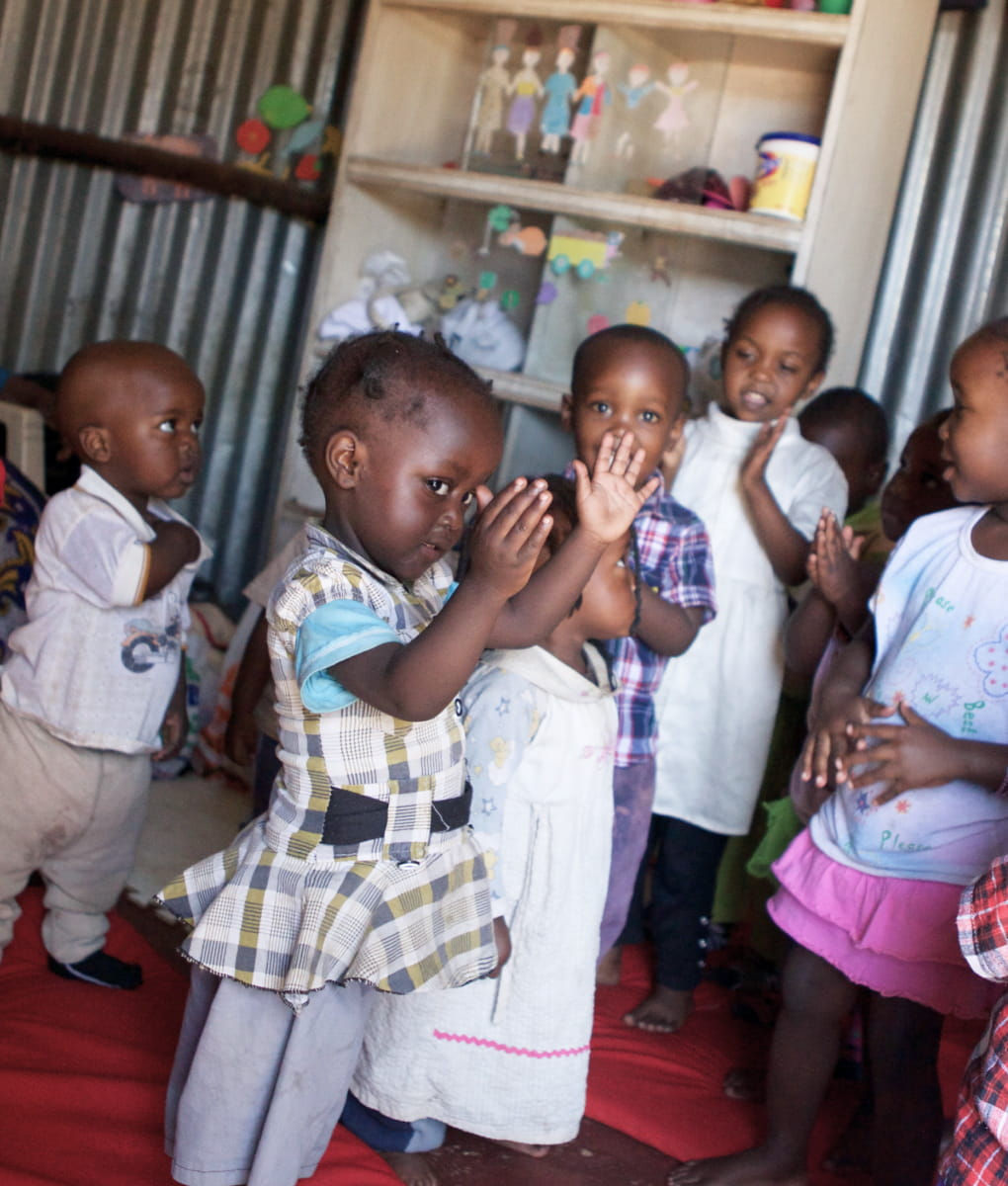
There is a period in children’s lives where it is easy to be missed and when they are most vulnerable. This is the time between being a ‘baby in arms’ — where a mother can still tie a small baby to her back and look for work, to starting preschool — so from about six months to 4 years old. At this point, women need to look for work to feed their families but at the same time have nowhere safe to leave their child. Sometimes babies and toddlers are locked in their homes alone and sometimes they are left with inadequate supervision by neighbours.
Many children become malnourished at this time and are at high risk of injury, poisoning and illness. This is also a time when there is peak brain development and being alone in a house provides no stimulation. Tushinde works with local women in both Mathare and Kiambiu to provide safe day care, where there are toys to play with, activities to do, and nutritious meals.



Youth Programme.
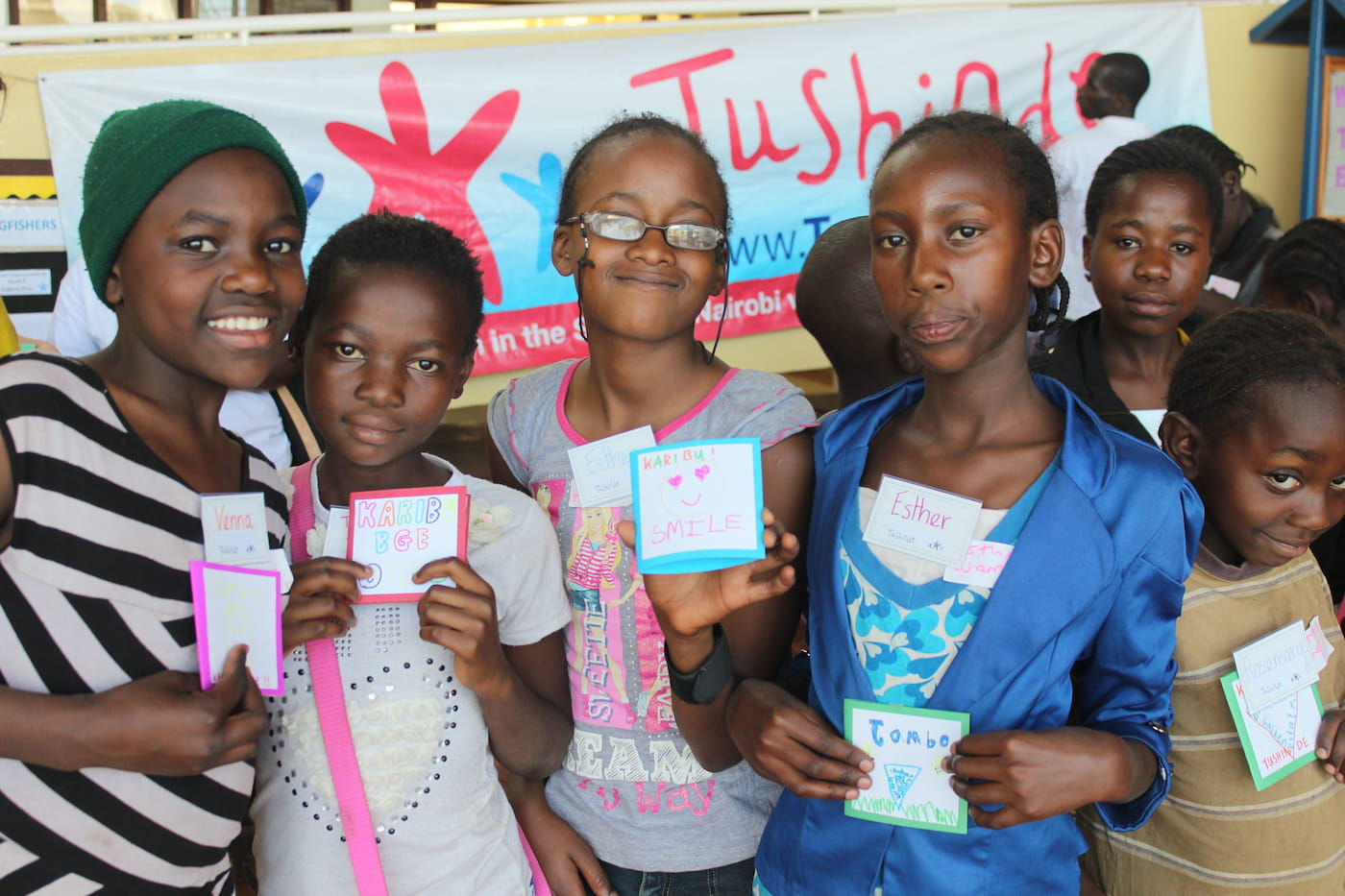
Teenage girls and boys in Tushinde’s target population face specific challenges and vulnerabilities. Many have been in and out of school for years. Some cannot afford school fees, others begin working to help support their families, and some don’t see the value of education if they could hustle to survive.
Tushinde has initiated a youth employability program for teenage boys and girls. The program offers support with nutrition, housing, access to school, vocational training, psychosocial support so that young people can realise their rights and thrive. Core activities include:
-
Weekly mentoring sessions
-
Quarterly large group training workshops
-
Gender-specific group sessions
-
My Star assessments
-
Vocational training (10 per year)
-
Emergency funds for food, medicine or housing
Foster Care Programme.
In 2024 we are adding a foster care element to the programme so that there is a safety net for all children. This is something that Tushinde has wanted to do for years, but it wasn’t until Kenya’s Care Reform Act was recently passed that we were able to officially set up such a service.


